
Last updated November 15, 2026
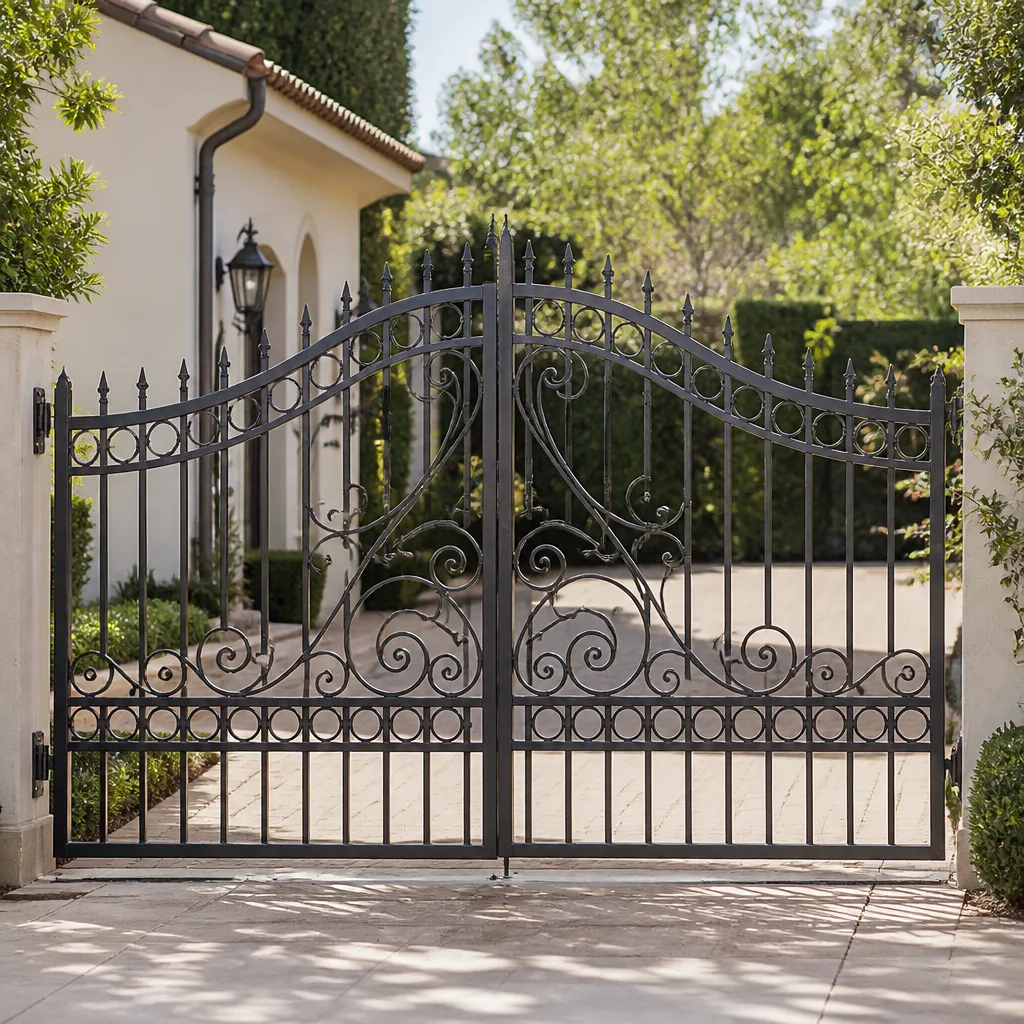 Wrought iron
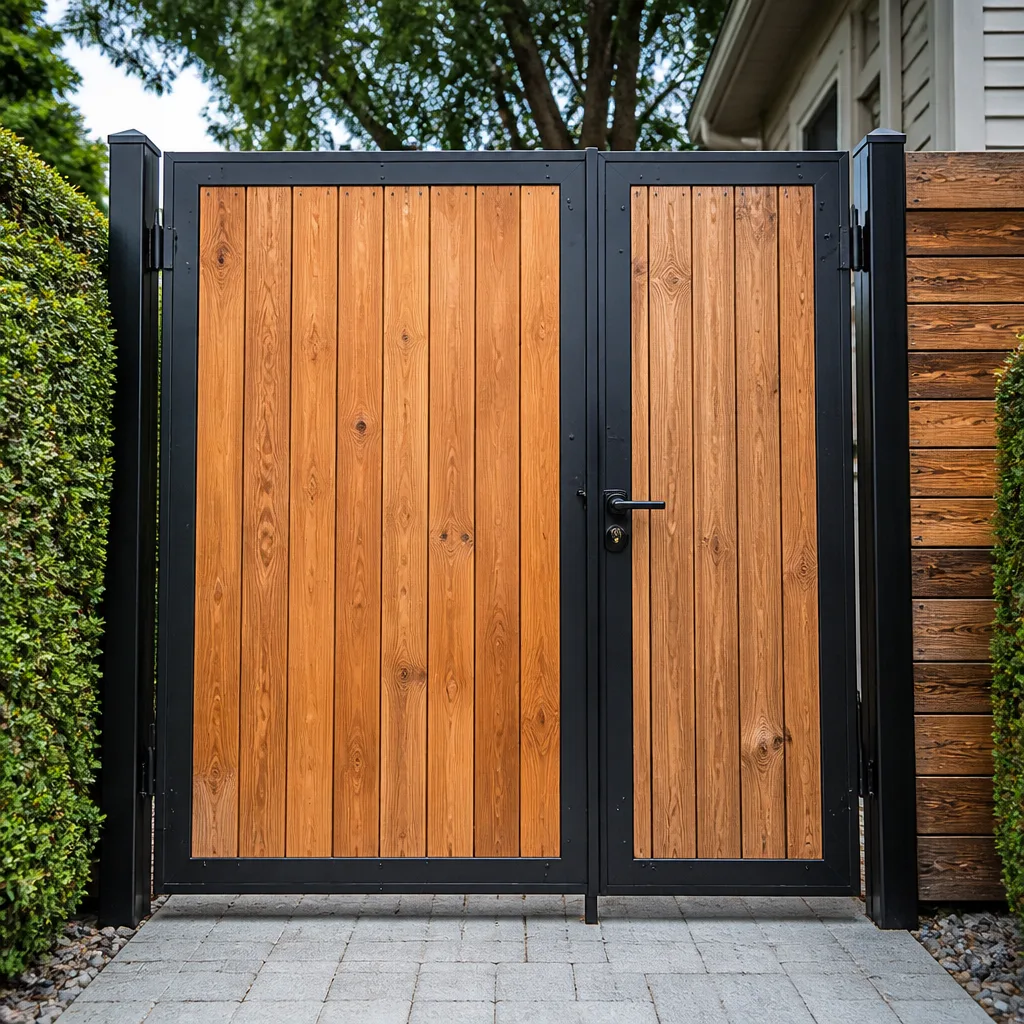 Wood & steel frame
 Farm & ranch
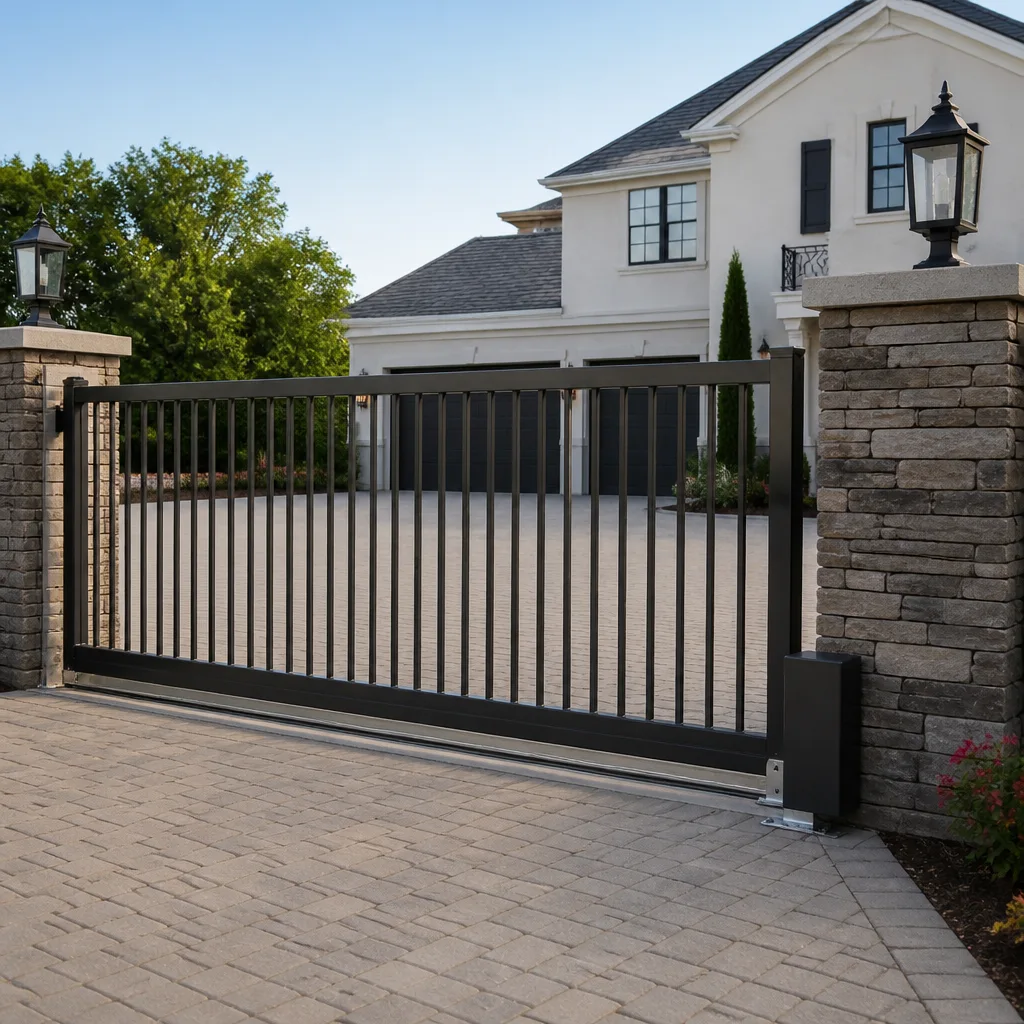 Sliding driveway gates
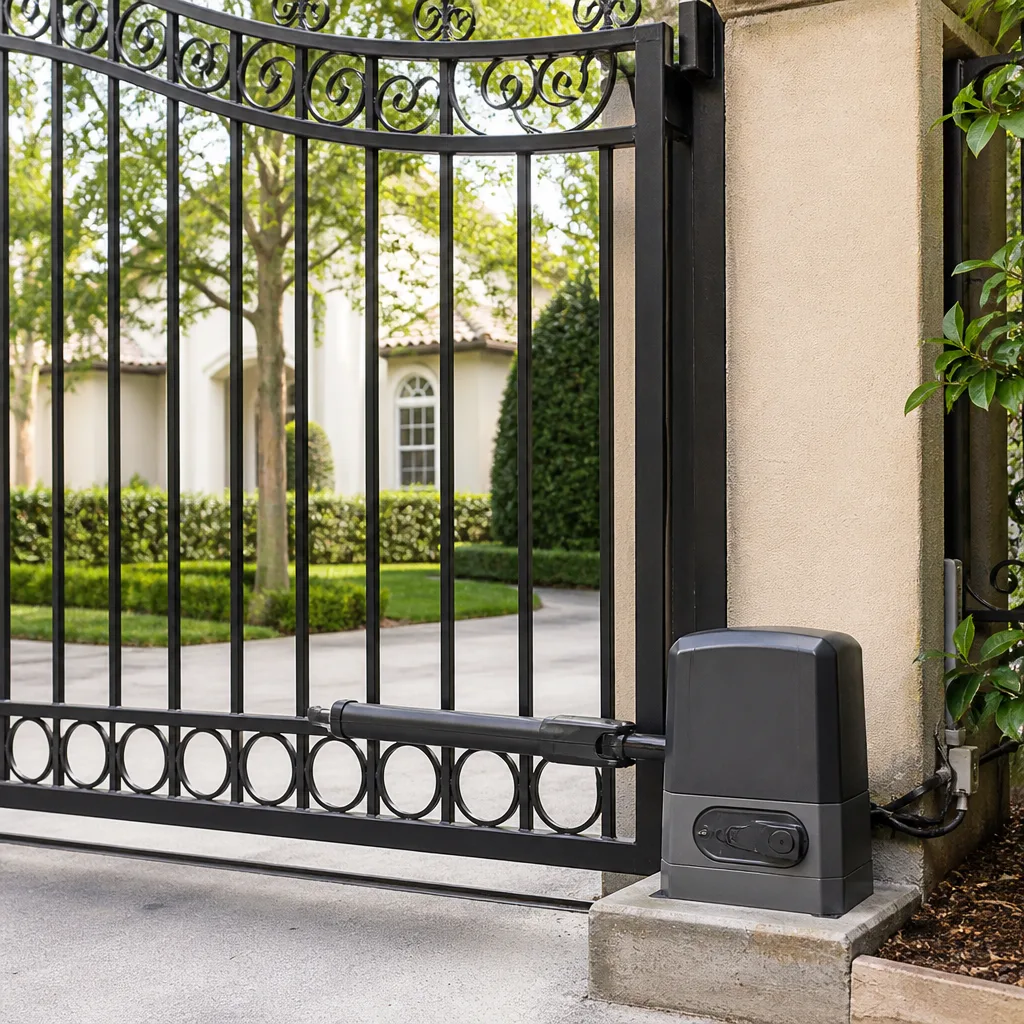 LiftMaster operators
Free on-site gate assessment - hinges, posts, and your LiftMaster or Nice gate operator checked before anything is quoted
The assessment is free and the quote is the invoice.
Get your free estimateThe Complete Guide to Gate Repair in Miramar
A gate that opens 80% of the way isn’t 80% functional. It’s one power surge, one heavy rainstorm, or one more rusted hinge away from zero. We see this every week in Miramar: a swing gate that hesitates, a slide gate that stops short of its limit, an operator that clicks but doesn’t move. The sticking point is that most people call when the gate has already failed completely, and by then a small, cheap repair has grown into a bigger one. This guide is about diagnosing earlier, understanding why things fail here, and deciding when you’re looking at a repair versus a rebuild. We work on gates exclusively, and technicians here bring up to 12 years of hands-on experience to the job.
Quick Answer
Gate repair in Miramar covers anything that stops a gate from opening, closing, latching or locking correctly – a jammed hinge, a slipping chain, a dead operator or a control board that won’t respond. The first step is always identifying whether the cause is mechanical (the gate structure and hardware), electrical (power and wiring) or access control (the board, remotes, keypads and sensors), because the repair approach and the cost depend entirely on that diagnosis. A reputable gate company will diagnose all three before quoting, rather than assuming the operator is at fault.
Styles & brands we work with
- Wrought iron
- Wood & steel frame
- Farm & ranch
- Sliding driveway gates
- LiftMaster operators
Table of Contents
- How to Tell Whether the Problem Is Mechanical, Electrical or Structural
- Why Miramar’s Humidity Corrodes Gate Components in a Predictable Order
- Repairing Back to Code vs. Repairing Back to Working Order
- Brand-Specific Failure Patterns in Miramar Neighborhoods
- When a Repair Is a Bridge Fix vs. a Signal the System Needs Redesign
- What Gate Repair Costs in Miramar
- What to Check Before You Call Anyone
- Repair or Replace? A Practical Decision Framework
How to Tell Whether the Problem Is Mechanical, Electrical or Structural
The single most useful thing you can do before calling anyone is narrow down which of the three layers is failing. A gate system looks like one machine, but it’s really three systems layered on top of each other: the gate leaf and its hardware, the operator and its power supply, and the access control that tells the operator what to do. Symptoms overlap, which is why general handymen often replace the wrong part. Getting the layer right is the whole game.
Here’s how we walk customers through it on the phone:
- Mechanical symptoms. The gate moves but drags, scrapes the ground, sags at the far edge, or won’t line up with the latch. The operator runs but the gate doesn’t. These point to hinges, rollers, tracks, a bent arm or worn pivot hardware.
- Electrical symptoms. The operator hums, clicks, or trips its breaker. The gate moves a little and stops. Remote controls are intermittent. These point to the motor, the capacitor, the wiring run or a failing power supply.
- Structural symptoms. The posts have shifted or tilted, the gate no longer swings true on its hinges, the framework is cracked or twisted after an impact. These point to the gate needing re-hung, re-set or (sometimes) replaced.
If you hear a motor running and see nothing move, you’re almost certainly mechanical. If you hear nothing and see nothing, you’re almost certainly electrical or access control. If the gate binds only at one point in its travel, it’s usually a track, roller or hinge issue specific to that spot. And if the problem came on suddenly after a storm or a power flicker, the operator or board is the place to start.
Why Miramar’s Humidity Corrodes Gate Components in a Predictable Order
Miramar’s climate is the single biggest driver of gate repair in this city, and it follows a pattern. Warm, humid air is on the hardware almost year-round, which means gate components tend to fail in a predictable sequence rather than all at once. Understanding that sequence is how you replace the right part at the right time – and how you avoid replacing the operator when only a hinge or a sensor is at fault.
From what we’ve seen on typical jobs in Miramar, the sequence usually looks like this:
- Fasteners first. Hinge bolts, arm bolts and mounting hardware collect moisture, start to surface-rust, and eventually seize or loosen. A loose hinge turns into a sag on the far end of the gate.
- Moving metal next. Rollers, chains, idler sprockets and slide gate tracks wear faster in humid air because lubrication thins and dust sticks. A tight chain gets tighter, then stretches, then skips.
- Electronics after that. Control boards, photo-eye sensors and receiver units sit inside enclosures that breathe humid air. Terminal corrosion, fogged lenses and intermittent faults show up here before anything physically fails.
- Operator motor last. The motor itself is usually the most protected part of the system. When a technician tells you on the first visit that the operator is dead without checking the sensors and the board, that’s a red flag.
Two practical takeaways. First, lubricate moving parts more often in Miramar than in drier parts of the country – a light schedule of hinge and chain attention saves expensive follow-on repairs. Second, keep the photo-eye lenses and keypad faceplates clean; humidity and dust combine to cause false “obstruction” faults, and a sensor that thinks the path is blocked is a gate that won’t close. Whatever the fault, moisture gets into the access control first, and access control is the cheapest part of the system to inspect and the most common wrong-first-guess.
Repairing Back to Code vs. Repairing Back to Working Order
These two things are not the same, and the difference matters most in Miramar because gate systems here get installed, then modified, then modified again. “Back to working order” means the gate opens and closes when you press the button. “Back to code” means the gate also latches, reverses, stops on obstruction, and provides safe exit as the current local building and safety requirements expect. Repairing a gate to “working order” alone can leave you with a gate that technically runs but fails the safety features a modern system is supposed to have.
A typical example: a homeowner asks us to fix a slide gate that won’t close. We find the chain is stretched and the photo-eye sensor is fogged over. The chain fix is straightforward. But the sensor matters more – a gate that closes without a working photo eye doesn’t know when something is in its path. The safe repair is the one that restores both.
What “code” looks like in practice depends on your municipality and the age of your system, so check with your city’s building or code department for your specific installation. In general, a properly functioning automatic gate should:
- Reversing on obstruction, with photo-eye sensors that actually work, not just installed.
- Have a clear warning sign on the gate on both the inside and outside faces where people or vehicles approach.
- Use a keyed or coded means of entry, not a loose remote left in a mailbox.
- Be wired to a power supply that matches the operator’s requirements and is properly grounded.
When we write an estimate for electric gate repair in Miramar, the estimate says which parts are being replaced to restore function, and calls out anything we notice that affects safety. You decide what to approve. What we won’t do is leave a gate that “works” but doesn’t stop.
Brand-Specific Failure Patterns in Miramar Neighborhoods
Gates are like anything else with a brand on them: each brand has its quirks, and the technician who knows them diagnoses faster. Most of the neighborhoods around Miramar – from the communities near Miramar Parkway to the newer residential streets toward the west – are filled with a handful of gate brands, and each fails in a characteristic way. Knowing the patterns cuts down guesswork and parts-swapping.
What we see most often:
- LiftMaster operators are common on residential swing gates and mostly reliable, but their photo-eye sensors are exposed and prone to fogging and terminal corrosion in humid air. Symptom: intermittent “obstruction” fault and a gate that won’t close even though nothing is in the way.
- FAAC operators are common on heavier swing and slide installs. The hydraulic and mechanical units are robust, but the control boards and arm bushings are where we find wear first. Symptom: an arm that sounds rough or a board that loses its limits after a power surge.
- DoorKing systems are seen more on commercial and multi-unit gates and tend to hold up well, but their access control panels age in humid enclosures. Symptom: entry codes or card readers that work intermittently while the gate itself is fine.
- Elite and Mighty Mule residential operators frequently need arm and hinge attention before anything electronic gives out. Symptom: slow or uneven travel with a working remote.
The common thread in Miramar is that the operator is rarely the first part to fail – it’s the parts around it: sensors, hinges, arms, wiring terminals. A brand-agnostic technician who knows all the major brands checks in that order, so you’re not paying for a new motor when a sensor cleaning or a hinge replacement was the fix. For the deepest level of diagnostic work across residential and commercial operators, gate repair is a single phone call to a specialist, not a generalist guessing at it.
When a Repair Is a Bridge Fix vs. a Signal the System Needs Redesign
Not every repair is a good investment. A “bridge fix” is the repair that gets the gate working again for now, buys you time, and keeps you from spending on a full redo today. A signal to redesign is the pattern of failures that keeps coming back. Sorting one from the other is the most useful decision you’ll make on an older gate.
Typical bridge-fix situations:
- A single worn hinge or roller on an otherwise sound gate.
- A dead remote or one failed keypad on a working system.
- A stuck limit switch or a control setting that drifted after a power surge.
Typical redesign situations:
- The gate framework itself is flexing, cracked or visibly sagging after prior repairs.
- You’ve replaced the operator more than once on the same gate.
- The gate was installed before modern safety sensors were standard, and the safety features are missing or non-functional.
- The control board is obsolete and parts are hard to source.
In our experience in Miramar, the redesign conversation usually starts when a gate has already used up two or three repair visits in a season. At that point, putting a new operator on a tired gate often costs more than fixing it right the first time. A proper Gate Repair Miramar assessment tells you whether you’re looking at one bad part or a system that has run its course. You don’t have to approve the redesign to get the honest answer.
What Gate Repair Costs in Miramar
Gate repair in Miramar typically ranges from a couple hundred dollars for a single failed component to several hundred or more when an operator, control board or safety system needs replacement. The ranges below reflect typical estimated costs for common jobs in this market; every job is different, and the written estimate after we look at your gate is what sets the final price.
- Hinge, roller or hardware replacement: typically $150-$350 per visit.
- Sensor and photo-eye cleanup or replacement: typically $180-$400.
- Remote or keypad reprogramming or replacement: typically $120-$300.
- Control board replacement: typically $350-$700.
- Arm, chain or operator mechanical repair: typically $300-$650.
- Full operator replacement: typically $800-$2,000, depending on brand, lift and site conditions.
- New electric gate installation: priced per job after a free measure and written estimate, because the scope varies widely.
Two things worth knowing. First, we quote and agree the price before any work starts – you’ll never see an invoice larger than the estimate you approved. Second, the estimate is free, and there’s no diagnostic fee or trip charge. Estimates for repairs are free; for a new installation you get a free measure and a written price. Call (855) 644-1097 for an exact quote on your gate. We answer 24/7. Fast dispatch from 7am to 7pm, Sunday through Friday. We’re closed Saturday.
What to Check Before You Call Anyone
You can rule out several causes yourself in a few minutes – safely – and that often turns a “mystery” into a clear diagnosis before the technician arrives. Do not attempt to disassemble the operator, touch the control board, or get your hands near any part of the gate while it’s in motion. The safe checks are all outside the moving parts.
- Is there power at the operator? Check that its breaker hasn’t tripped and the disconnect is on. If the display is blank and the remote does nothing, start here.
- Is anything blocking the path? Clear the path fully, including anything near the photo-eye sensors on both sides. Sweep the sensor lenses clear of dust and moisture. Then try again.
- Does the gate move by hand (with the operator released via its manual release lever, as the manufacturer describes it)? If it drags or binds, the problem is mechanical. If it moves freely but won’t run under power, the problem is electrical or access control.
- Does the gate sag or scrape anywhere along its travel? A sag at the far end usually points to hinge or post hardware.
- Does one remote work and another not? That narrows it to the remote or receiver, not the operator.
If you’ve done all five and the gate still won’t behave, that’s the point to call. The details you gathered make the diagnosis faster, and a trained technician can see the parts you shouldn’t touch. If you’re in Miramar, we can be dispatched for a same-day visit. Just call (855) 644-1097. We answer 24/7. A call outside dispatch hours is booked into the next opening, Sunday through Friday, 7am to 7pm.
Repair or Replace? A Practical Decision Framework
The default answer for most gates is repair, not replace – but there’s a point where that flips. Here’s the framework we use when talking through an estimate with a customer in Miramar.
Repair is usually the right call when:
- The gate structure is sound: no cracked welds, no flex in the frame, no sagging posts.
- The failure is a single identifiable part, not a pattern.
- The operator is current and has parts available.
- The gate meets modern safety expectations, or can be brought there with a modest repair.
Replacement (or full install) starts to make sense when:
- You’ve repaired the same gate repeatedly and the fixes don’t last.
- The operator is obsolete and parts are hard to find.
- The gate wasn’t installed correctly in the first place, and the geometry can’t be saved.
- You’re upgrading from manual to powered, or changing the entry setup.
For a new gate or full replacement, we do a free measure and written estimate, then schedule the install – it isn’t a same-day job, and it shouldn’t be. For a repair, we can often come out the same day. If you want to see how we handle the whole system, you can read more about us at Miramar and what we do in the area. When you’re ready, call (855) 644-1097.
Common Mistakes to Avoid
- Replacing the operator before checking the sensors. In Miramar’s humid air, the photo-eye sensors and control boards are the most common culprits. Replacing a healthy motor because a fogged sensor tripped an error is an expensive mistake.
- Ignoring a small hinge problem until it becomes a structural problem. A loose hinge gets looser, and the gate starts to sag. By the time the gate won’t swing true, you’re re-hanging posts instead of tightening bolts.
- Greasing everything with the wrong lubricant. A heavy lubricant that traps dust can wear a chain faster than the correct light lubrication. Follow the operator manufacturer’s recommendation, not a generic garage grease.
- Assuming a “working” gate is a safe gate. A gate that opens and closes but has no working obstacle sensors is not a safe gate. Test the reversing function deliberately.
- Hiring a general handyman who “knows a bit about gates.” Gate operators are brand-specific systems. A generalist will often swap parts to see what sticks; a specialist checks the right things in the right order.
- Leaving the remote in the mailbox for the technician. It’s a security risk, and it’s unnecessary. A proper gate company will verify entry with you directly.
- Ignoring the warning signs on the gate. If your gate is missing the safety signage or has fallen into disrepair, that’s a code concern that a repair visit should address.
See the difference
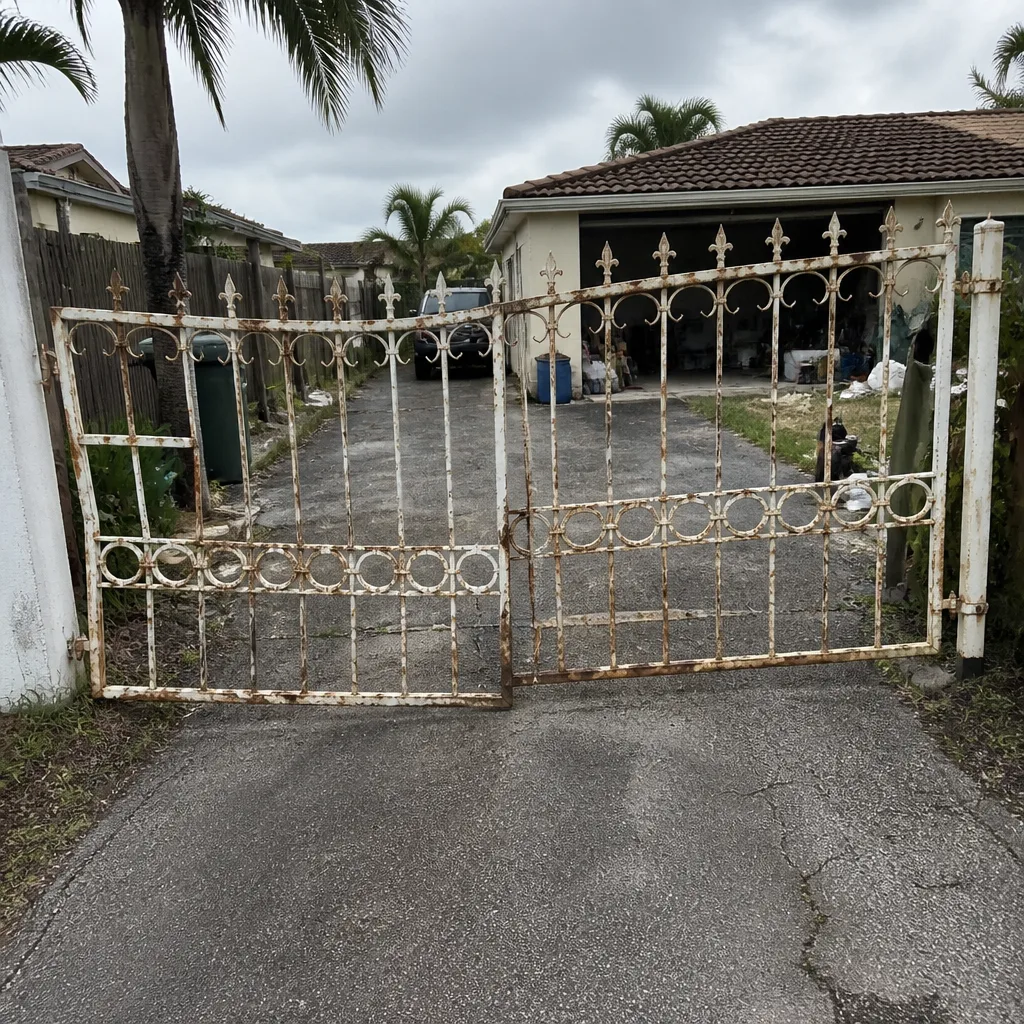 Before
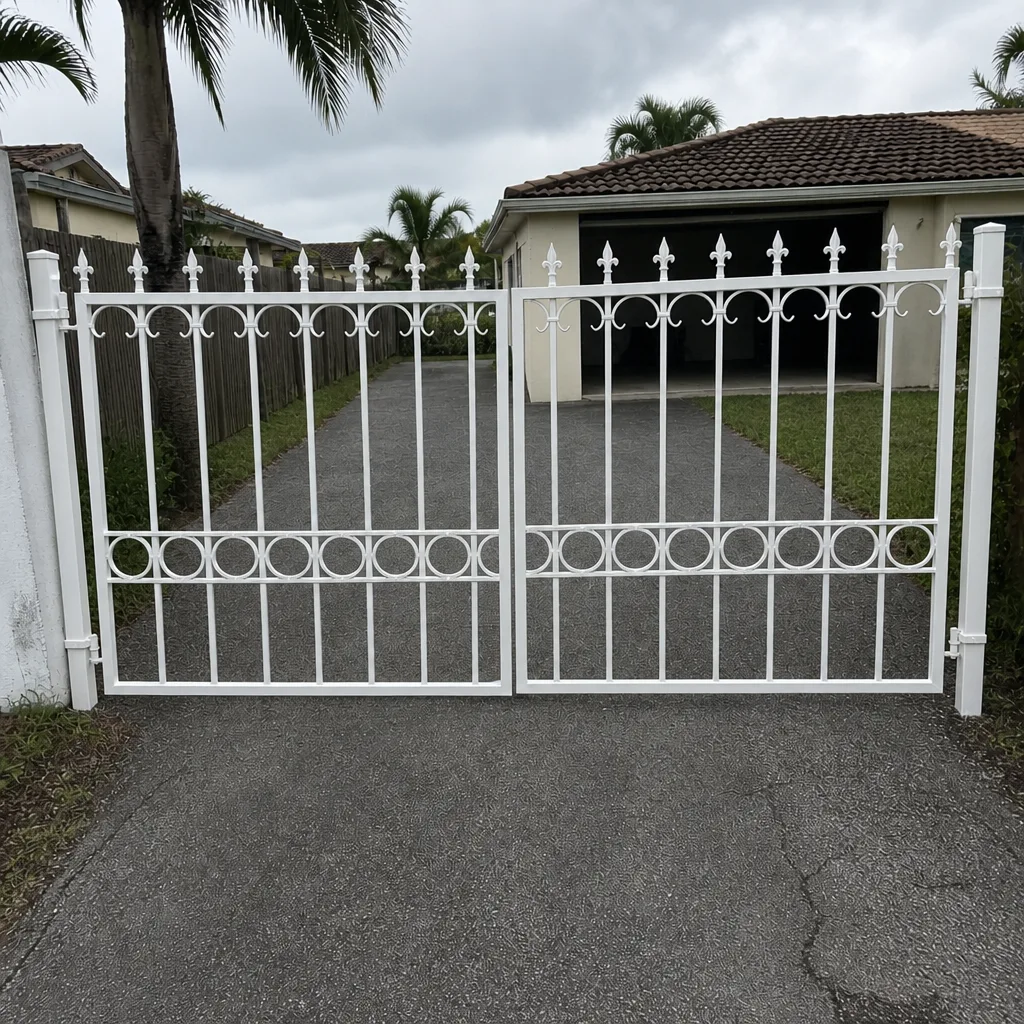 After
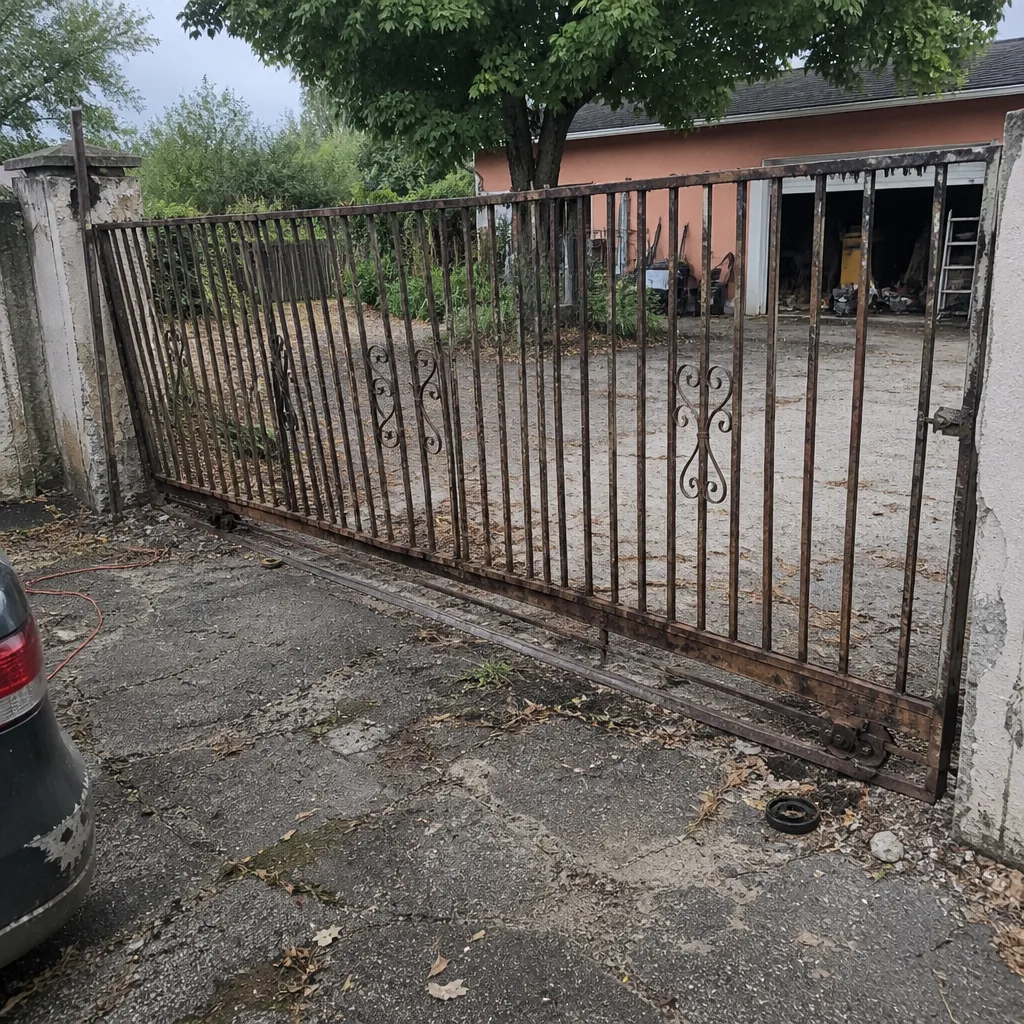 Before
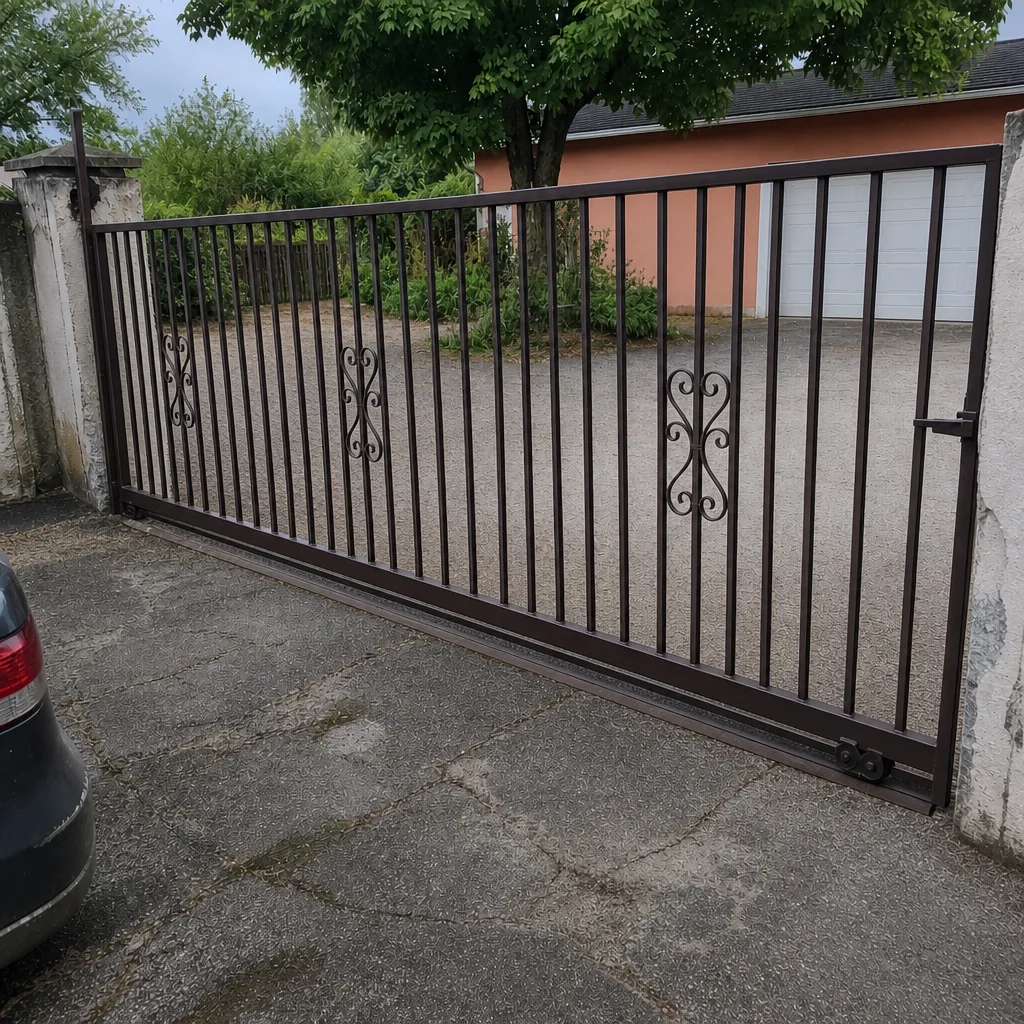 After
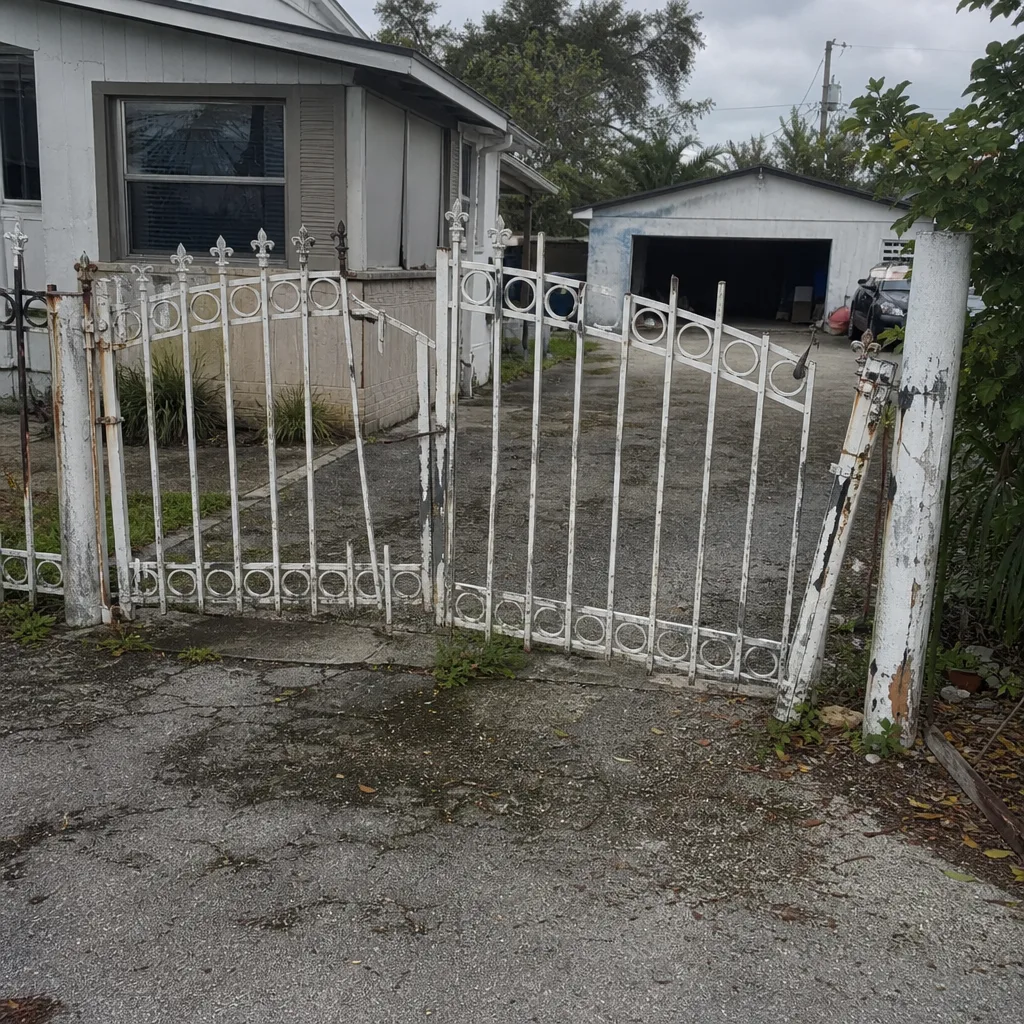 Before
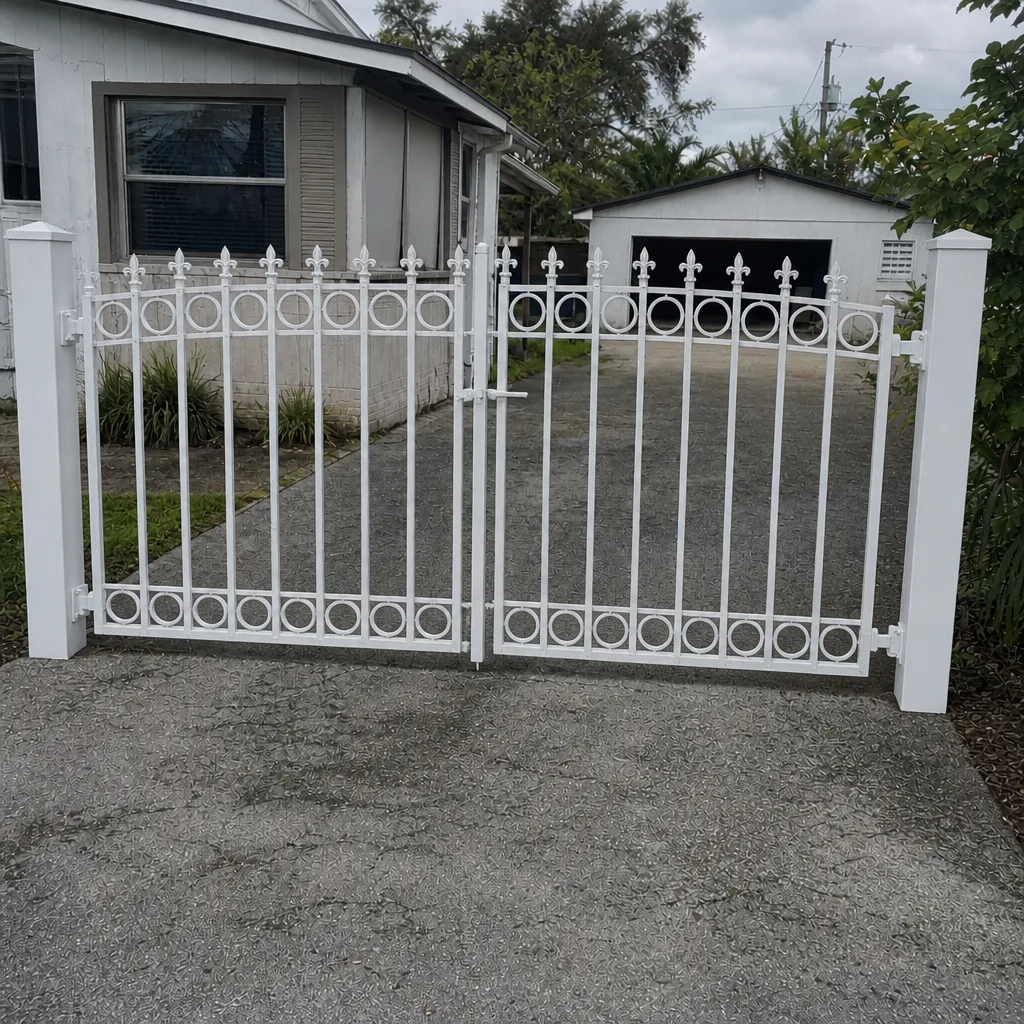 After
When to Call a Professional
Call a professional when the gate binds, sags, won’t close, won’t latch, trips its breaker, or won’t fully respond to the remote or keypad. Call before your gate has been through the same repair twice. If you’ve checked the power, cleared the path, and confirmed the gate runs by hand, and everything still points to the operator or the board, that’s the point to bring in a specialist rather than trying to swap parts yourself. Gate Repair Miramar offers free estimates in Miramar and can dispatch a technician the same day when the schedule allows. Call (855) 644-1097. We answer 24/7. Fast dispatch from 7am to 7pm, Sunday through Friday.
Frequently Asked Questions
Typical gate repair in Miramar ranges from around $150-$350 for a single failed hardware component to several hundred dollars for an operator or control board repair, with full operator replacement running $800-$2,000 depending on brand and site conditions. The written estimate after diagnosis sets the final price, and estimates are free. Call (855) 644-1097 for an exact quote.
Yes, when the schedule allows, we dispatch same-day for gate repair in Miramar. Call (855) 644-1097. We answer 24/7. Fast dispatch from 7am to 7pm, Sunday through Friday. We’re closed Saturday. A call outside dispatch hours is booked into the next opening. New installation work is measured and scheduled rather than same-day.
If the gate hesitates only near one point in its travel or runs by hand without power, it’s usually the operator or the mechanical parts. If the gate stops short on close or errors out with nothing in the path, suspect the photo-eye sensors – especially in Miramar’s humid air. A specialist can diagnose the exact cause in one visit. Call (855) 644-1097.
Yes, a new electric gate installation includes the power wiring run and the safety sensors and edges required for a functional, safe system, priced per job after a free measure and written estimate. Installation is scheduled, not same-day. Call (855) 644-1097 to book a measure.
We work across nine major gate brands, including LiftMaster, FAAC, BFT, Linear, Viking, Ghost Controls, DoorKing, Elite and Mighty Mule, with types of work across residential and commercial operators. If your operator isn’t on that list, call us – we’ll tell you whether we can help. Call (855) 644-1097.
Once a year is a reasonable baseline for most automatic gates in Miramar’s climate, with a check after any storm or power event that noticeably changed how the gate behaves. Lubricating moving parts and clearing sensor lenses between visits prevents most of the failures we see. Call (855) 644-1097 for a free estimate on a one-time maintenance visit.
The Bottom Line
Gate repair in Miramar comes down to two things: understanding why components fail in this climate, and knowing which of the three layers – mechanical, electrical or access control – is actually the problem. Corrosion follows a predictable order, so routine attention to hinges, chains and sensors prevents the expensive follow-on repairs. Repair back to code, not just back to “it moves.” And if you’ve repaired the same gate more than once, treat it as a signal to look at the whole system, not just the latest failure. When you’re ready for a professional diagnosis, Gate Repair Miramar offers free estimates in Miramar. Call (855) 644-1097. We answer 24/7. Fast dispatch from 7am to 7pm, Sunday through Friday.
Written by the team at Gate Repair Miramar.