
Last updated November 15, 2026
 Wrought iron
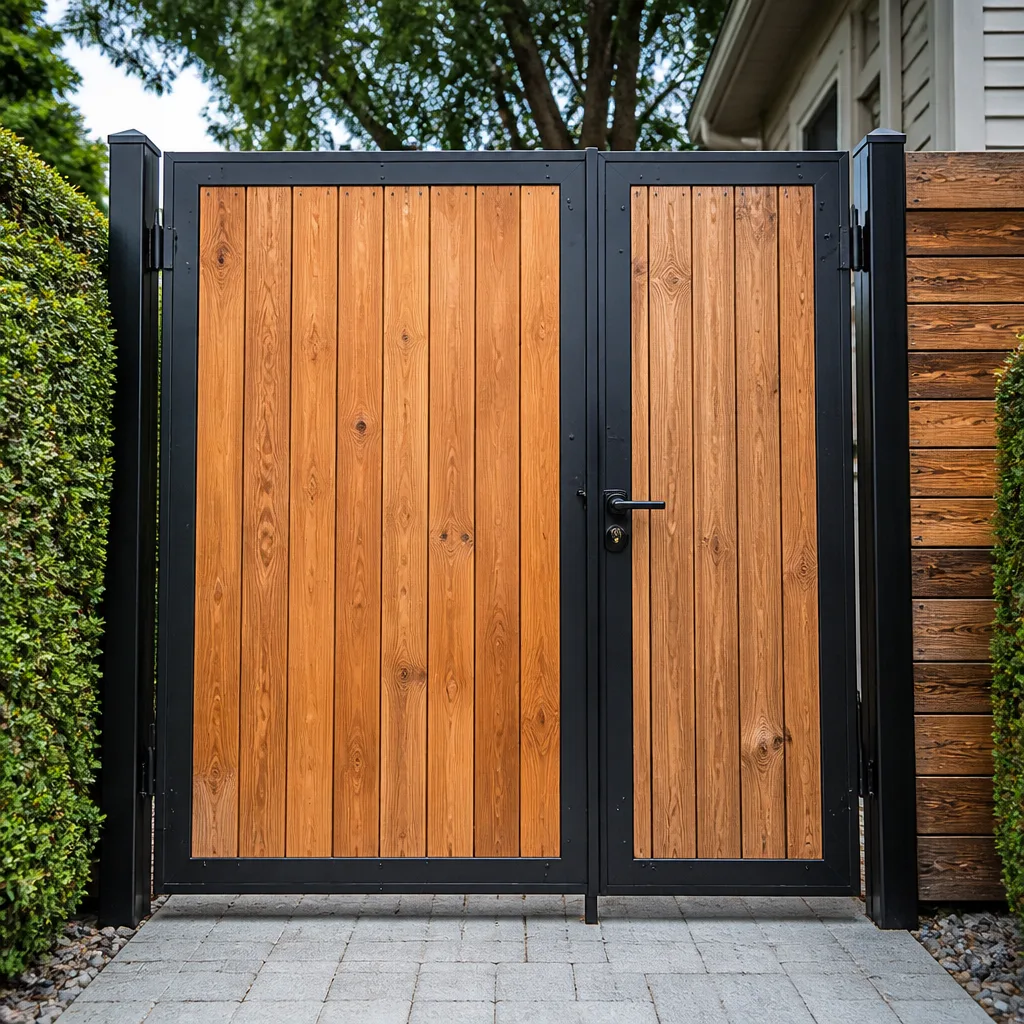 Wood & steel frame
 Farm & ranch
 Sliding driveway gates
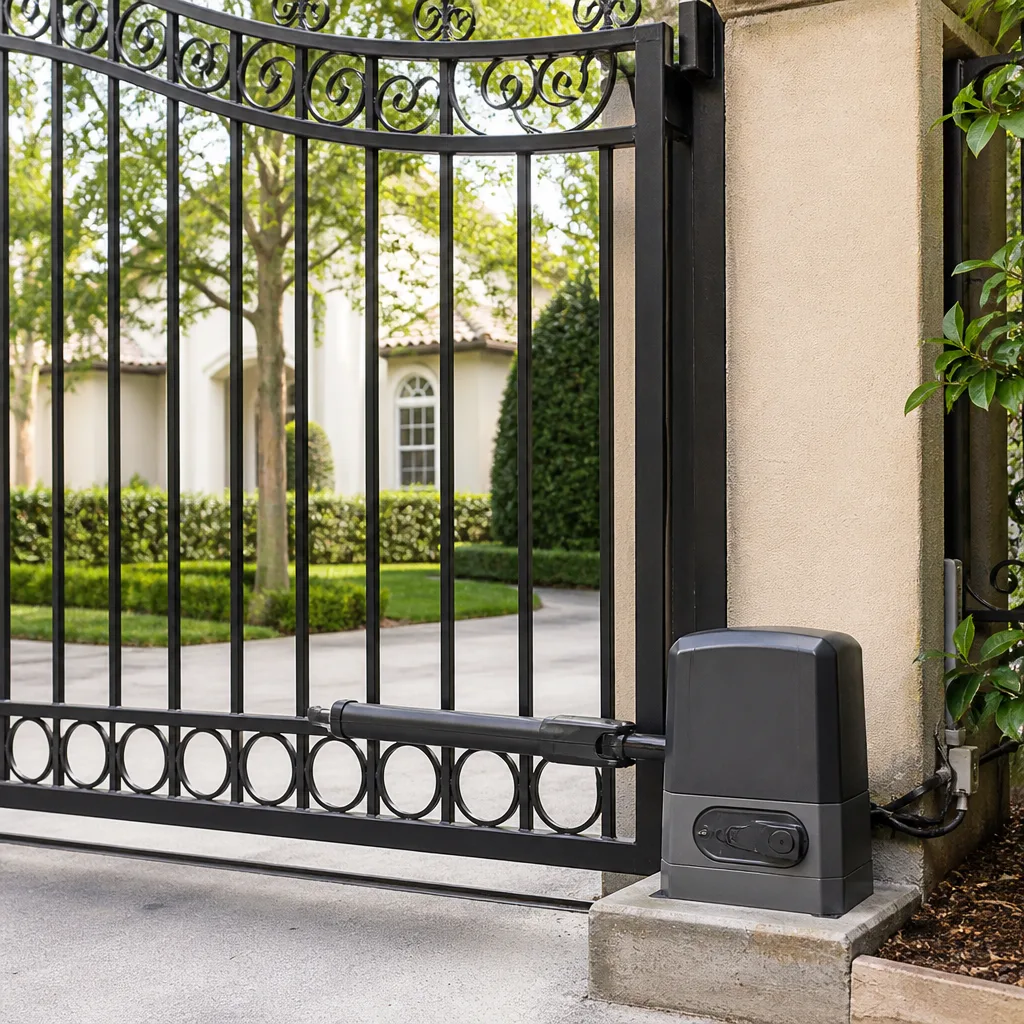 LiftMaster operators
Free on-site gate assessment - hinges, posts, and your LiftMaster or Nice gate operator checked before anything is quoted
The assessment is free and the quote is the invoice.
Get your free estimateGate Repair Maintenance Schedule: What to Do and When
Most gate maintenance advice floating around the internet was written for dry desert towns. Lubricate every six months. Inspect once a year. That schedule quietly assumes low humidity and clean air, and it falls apart in Miramar. Year-round humidity here pushes hinge corrosion, control-board trouble and electrical connector oxidation onto a much shorter clock. If you’ve been following a six-month checklist and your gate still acts up, the calendar isn’t the problem; the intervals are. In this guide we’ll lay out component-by-component service timing tuned to Miramar conditions, how the rainy season from June through October changes the list, and how to document everything so a warranty claim holds up. You’ll also get a ten-minute walk-around you can run yourself.
Quick Answer
A realistic gate maintenance schedule in Miramar runs on component-specific intervals rather than one blanket date: hinges and rollers serviced every 90 days, battery backup load-tested every six months, the control board inspected annually, and loop detector sensitivity checked after each heavy rain season. Add a rainy-season prep pass each spring and a ten-minute visual walk-around monthly. Matching the interval to the part is what keeps small wear from turning into a stalled gate.
Styles & brands we work with
- Wrought iron
- Wood & steel frame
- Farm & ranch
- Sliding driveway gates
- LiftMaster operators
Table of Contents
- Why Generic Maintenance Schedules Fail in Miramar
- Component-by-Component Intervals
- Rainy Season Prep: June Through October
- Swing vs. Slide vs. Barrier Arm: Different Wear Points
- How to Document Maintenance So Warranty Claims Hold
- The Ten-Minute Early-Warning Checklist
- When to Call a Professional
- Frequently Asked Questions
Why Generic Maintenance Schedules Fail in Miramar
Walk into any chain hardware store and you’ll find a laminated card that says “lubricate hinges twice yearly.” That card was almost certainly printed for a dry climate. Miramar’s humidity is a different animal. Moisture sits in the air most of the year, and it works its way into exactly the places that hurt a gate: hinge pins, roller tracks, and the low-voltage connectors running between the operator and its safety devices. Metal that would take a year to corrode in a dry market can show surface oxidation in a season here.
The practical result is that standard schedules under-serve you. A gate that gets lubricated every 180 days in a dry city may skate by. The same interval in Miramar means the lubricant film breaks down, grit works in behind it, and the hinge starts binding long before anyone notices. Worse, the electrical side doesn’t announce itself the way a squeaky hinge does. A connector that’s slowly oxidizing shows no sign until the operator stops accepting a command or the safety edge gives a false trip.
This is the core idea behind everything below: match the interval to the wear rate of the specific component in this specific place. Hinges and rollers want attention on a 90-day cadence here. A control board doesn’t need monthly attention, but it absolutely needs an annual look because the heat and humidity inside the enclosure accelerate everything inside it. Battery backup needs a real load test every six months, not a glance at the indicator light. Do this and you prevent most of the emergency calls we’d otherwise get. Skip it and you’re relying on luck.
For a fuller picture of what a broader maintenance relationship looks like, see our guide on Gate Repair Miramar, which walks through the full sweep of repair and service work we take on.
Component-by-Component Intervals
Here’s the schedule we recommend for gates in Miramar, broken down by part. These aren’t arbitrary numbers; each interval reflects how fast that component wears under local humidity, heat and daily cycle counts. Think of it as four cadences: quarterly, semi-annual, annual, and condition-based (checked after a specific trigger like heavy rain).
Quarterly (every 90 days)
- Hinges and pivot points: Clean away old grease and grit, then re-lubricate with a product suited to outdoor metal. Humidity keeps these working constantly, so this is the highest-frequency item on the list.
- Rollers and tracks (slide gates): Clear debris from the track, check roller wear, and lubricate. A slide gate running on a fouled track strains the operator motor.
- Visual hardware sweep: Check bolts, brackets and mounting points for looseness. Vibration loosens fasteners over time.
Semi-annual (every 6 months)
- Battery backup load test: A voltage reading isn’t enough. Load-test the battery under the operator’s actual draw so you know it will carry the gate during an outage. Indicator lights lie; load tests don’t.
- Safety device function check: Exercise the safety edges, photo eyes and any reversing function to confirm they still halt or reverse the gate as designed.
Annual
- Control board inspection: Open the operator enclosure and inspect the board for moisture intrusion, corrosion on terminals, insect nests or debris. In Miramar, this annual look matters because heat and humidity inside the housing stress every connection.
- Full electrical and wiring review: Check the power run, conduit, grounding and connections for wear. This is a professional task; the operator’s power side carries real voltage.
Condition-based (after triggers)
- Loop detector sensitivity: Recheck after any heavy rain season. Water intrusion near buried loops or a shifting ground plane can cause phantom detection or a gate that won’t close.
- Drainage and seals: Inspect after sustained rain, when channels clog and water pools where it shouldn’t.
Notice the differences between a residential operator and a commercial-grade system. A Mighty Mule or Ghost Controls residential setup on a driveway cycles a handful of times a day and tolerates a slightly looser cadence. A DoorKing or Elite system on a busy commercial entrance cycles hundreds of times daily, and every interval should tighten accordingly. If your operator is a LiftMaster, the same principles apply; the brand changes the parts, not the physics.
Rainy Season Prep: June Through October
Miramar’s wet months run roughly June through October, and they’re the single biggest driver of gate problems we see. A gate that’s fine in March can start misbehaving by August because water finds every seam the dry season didn’t stress. Preparing before the rains arrive is far cheaper than repairing after. Here’s the checklist we work through for the wet season.
- Clear drain channels and weep holes. Standing water around the base of posts and along slide tracks is the enemy. Make sure water has somewhere to go and that debris isn’t blocking it.
- Inspect seals and gaskets. Look at the operator enclosure gasket, any weather seals, and where conduit enters the housing. A cracked gasket lets humidity into the electronics all season.
- Verify surge protection. Summer storms bring electrical spikes. Confirm the operator’s surge protection is in place and functional; a surge that kills the control board is an expensive repair that protection would have absorbed.
- Test the battery backup under load. If the power goes out during a storm, the gate should still operate. A weak battery that passes a glance fails the load test.
- Recheck loop detector sensitivity. Rain and ground movement can shift how a loop reads. Confirm the gate detects vehicles reliably and doesn’t false-trip.
- Lubricate before the rains, not after. Fresh lubricant on hinges and rollers ahead of the wet season gives you a protective film through the worst of it.
- Walk the whole perimeter. Check gate alignment, post stability and panel hinges so a small loosening doesn’t grow into a stuck gate.
Do this pass in late spring, before the pattern settles in, and you’ll spend far less time dealing with water-related failures during the season. We’ve found that most of the summer service calls that could have been prevented trace back to one of these items being skipped. It’s also a good moment to confirm the gate opens smoothly by hand, so you can spot a mechanical drag before the operator starts straining.
Swing vs. Slide vs. Barrier Arm: Different Wear Points
Most maintenance guides treat every powered gate the same. They aren’t. A swing gate, a slide gate, and a barrier arm wear in completely different places, and a schedule that ignores those differences misses the parts most likely to fail. Here’s how the three types differ.
Swing gate operators
Swing gates pivot, so the stress lands on hinges, pivot arms and the operator’s gearbox. Every open and close torques those joints, and in Miramar humidity the hinge pins are the first thing to corrode and bind. The annual control-board look and the quarterly hinge work are your priorities. Watch for sag over time, because a gate that droops puts extra load on the operator arm.
Slide gate operators
Slide gates ride on a track with rollers, so your wear points are the rollers, the track surface and the guide posts. Debris and grit in the track are the usual culprits, which makes the quarterly track cleaning the most important item. A slide gate that comes off its track is a bigger hazard than a sticking hinge, so check roller alignment and track fasteners regularly. Protecting the edges and testing the reversing function matters here because a moving slide gate carries real force.
Barrier arm systems
Barrier arms, common at commercial entrances, swing a boom up and down on a pivot with a counterweight and a breakaway bracket. Their wear points are the pivot bearing, the counterweight balance and the arm itself. Cycle counts are usually high, so the semi-annual battery load test and safety checks tighten up, and the annual control-board inspection is essential on a busy entrance. The breakaway design is there for a reason; make sure it’s intact and not jammed.
Across all three, the safety devices are non-negotiable. Electric operators for gates involve real electrical current, motors with significant force, and heavy moving panels that can crush. Fiddling with the power side or the safety-edge wiring yourself is genuinely dangerous. If a check turns up a fault in the operator’s electrical system, that’s a trained-technician task, not a weekend project. If your gate system needs work, our electric gate repair work covers operators, controls and safety devices.
How to Document Maintenance So Warranty Claims Hold
A documented maintenance record is the difference between a warranty claim that sails through and one that gets denied. Manufacturers generally want to see that the equipment was serviced at reasonable intervals and that failures weren’t caused by neglect. The exact requirements vary by maker, so check your operator’s manual, but the record they typically expect is consistent. Here’s what to capture.
- Date of each service. Every lubricating, inspection and test gets a date. A gap of years with no records is easy grounds for denial.
- What was done. Note the specific tasks: hinge lubrication, battery load test, control-board inspection, safety-device check. Vague “serviced gate” entries are weak.
- Who did the work. Whether it was you or a technician, record the name and contact. Keep it honest; a fabricated entry undermines the whole record.
- Parts replaced. Keep receipts or notes for any battery, roller, board or component swapped out.
- Photos where it helps. A dated photo of a corroded terminal or a worn roller before replacement supports the case that a part failed on its own, not from neglect.
- Copies of estimates and invoices. These reconcile your record with professional work.
Read the warranty terms when you buy the operator and match your record-keeping to what the maker actually asks for. Some want proof of periodic service; some specifically exclude water damage or electrical surge failures. In Miramar, that last point matters, because a summer surge or a wet-season intrusion is exactly the kind of event a warranty can exclude. Keeping a clean, dated record of upkeep is your defense that the equipment was well cared for. It also helps any future technician understand the system’s history without starting from scratch. If a warranty issue does come up, a documented history gives you something concrete to stand on.
The Ten-Minute Early-Warning Checklist
You don’t need training to catch a developing problem early. Most failures a gate experiences give a warning first, and a quick monthly walk-around catches the most common ones before they become service calls. Run this checklist in about ten minutes, in this order.
- Listen. Open and close the gate once. Grinding, squealing or a labored hum are early signs of a binding hinge, roller or straining motor.
- Watch the movement. Does the gate travel smoothly, or does it jerk, hesitate or reverse partway? Erratic travel points to a control or safety-device issue.
- Check the safety devices. Trip the safety edge and photo eyes and confirm the gate stops or reverses. They must work.
- Inspect hinges and rollers. Look for rust, grit and dryness on swing gate hinges or slide gate rollers. Visible corrosion means service is due.
- Look at the track (slide gates). Debris, leaves or grit in the track cause drag. Clear it and check roller alignment.
- Check the operator housing. Is the enclosure sealed? Any water inside, insect nests or loose conduit?
- Test the battery backup. Cut power briefly (carefully, if you’re comfortable) or check the load indicator to confirm the battery still carries the gate.
- Glance at the wiring and connections. Look, don’t touch. Frayed conduit or loose connectors are a call-a-technician item.
- Check post and gate alignment. A sagging gate or a leaning post loads the operator and needs attention.
- Note anything new. Write it in your maintenance log with the date. That written record is what turns a suspicion into actionable history.
Do this monthly and you’ll catch the majority of developing failures while they’re still cheap to fix. What you should avoid doing is touching the operator’s electrical internals or adjusting the safety-edge wiring to “fix” a symptom. Those systems protect people, and a mistake on the power side can be seriously dangerous. Spot the problem, log it, and hand the electrical work to a qualified technician.
Common Mistakes to Avoid
- Following a six-month schedule in a humid climate. The most common mistake we see. Intervals written for dry air leave hinges and connectors to corrode a full season early. Tune them to Miramar’s humidity.
- Glancing at the battery instead of load-testing it. A green indicator light proves nothing. Without a load test under the operator’s real draw, a weak battery surprises you during the first outage.
- Skipping the annual control-board look. Humidity and heat work on those electronics all year. One annual inspection of the board catches corrosion before it takes down the whole system.
- Ignoring the loop detector after the rain season. Phantom detection or a gate that won’t close often traces back to a loop that shifted during the wet months. Recheck it every season, not once a year.
- Treating a slide gate like a swing gate. Cleaning the hinges on a swing gate does nothing for a slide gate’s rollers and track. Know which wear points your gate type actually has.
- Keeping no maintenance records. When a warranty claim lands, an undocumented gate looks neglected even if you serviced it faithfully. Log dates, tasks and parts.
- Attempting electrical repairs on the operator. Adjusting the safety-edge wiring or digging into the power side is dangerous. That’s exactly the work to hand to a trained professional.
When to Call a Professional
Some tasks are simple housekeeping: lubricating hinges, clearing a track, running the ten-minute walk-around. Others call for a technician who works on gates every day. Call a professional when the gate reverses or stops unexpectedly, when you hear grinding or a labored motor, when the operator won’t hold a command, when a slide gate comes off its track, or when anything in the operator’s electrical system or safety-edge wiring needs attention. Those are the situations where a technician’s eye saves you from a bigger repair or a real hazard.
Our technicians have up to 12 years of experience, and we work across the major brands you’ll find on driveways and commercial entrances throughout Miramar, from residential Mighty Mule and Ghost Controls operators to commercial-grade DoorKing and Elite systems. Because every job we take is a gate job, we’re not guessing at your operator’s quirks between other service calls. Gate Repair Miramar offers free estimates in Miramar. Call (855) 644-1097. We answer 24/7. Fast dispatch from 7am to 7pm, Sunday through Friday.
If your gate is down right now rather than just overdue for service, our gate repair covers everything from a binding hinge to a control failure, and our gate installation work covers a full replacement when a system is beyond economical repair. The price for any job is set in writing before we start, so you know the number before any work begins. Estimates are free.
Frequently Asked Questions
Most components want attention more often than a dry-climate guide suggests: hinges and rollers every 90 days, battery backup load-tested every six months, and the control board inspected annually. Recheck loop detectors and drainage after each rainy season. A lighter-cadence monthly walk-around catches problems between the deeper service visits. Call (855) 644-1097 for a schedule tailored to your gate type.
Water finds every seam the dry season didn’t stress, which is why problems spike from June through October. Wet-season prep covers drain channels, seals, surge protection, battery load testing and loop detector sensitivity. Doing that pass before the rains arrive prevents most of the summer failures. If a wet-season issue has already surfaced, call (855) 644-1097 for a free estimate.
Yes, because they wear in different places. Swing gates stress hinges and pivot arms, slide gates wear on rollers and tracks, and barrier arms wear at the pivot and counterweight. Matching the schedule to your gate type is why we don’t hand out one generic card. Call (855) 644-1097 and we’ll tell you what your type needs.
Requirements vary by manufacturer, so check your operator’s manual, but most want dated records of periodic service, the tasks performed, and any parts replaced. Keep receipts, invoices and photos where they support a claim. A clean, dated record is your defense if a failure is blamed on neglect. Call (855) 644-1097 for help documenting a claim.
You can safely lubricate hinges, clear a track, and run the ten-minute walk-around. Anything involving the operator’s power side, the control board or the safety-edge wiring should go to a trained technician, because the electrical and mechanical forces involved are genuinely dangerous. Call (855) 644-1097 for the tasks that carry risk.
We answer 24/7. Fast dispatch from 7am to 7pm, Sunday through Friday. A call outside dispatch hours is booked into the next opening. We handle residential and commercial operators across the major brands, and the price is set in writing before work starts. Call (855) 644-1097 for a free estimate.
The Bottom Line
Gate maintenance in Miramar isn’t one big annual task; it’s a set of component-specific intervals tuned to this climate. Hinges and rollers want a 90-day cadence, batteries need a real load test every six months, control boards need an annual look, and loop detectors need a recheck after each rainy season. Add a wet-season prep pass each spring and a ten-minute monthly walk-around, and you catch most failures before they happen. Keep a dated record so a warranty claim holds. And when the work turns electrical, hand it to a specialist. Gate Repair Miramar offers free estimates in Miramar. Call (855) 644-1097. We answer 24/7. Fast dispatch from 7am to 7pm, Sunday through Friday.
Written by the team at Gate Repair Miramar.
See the difference
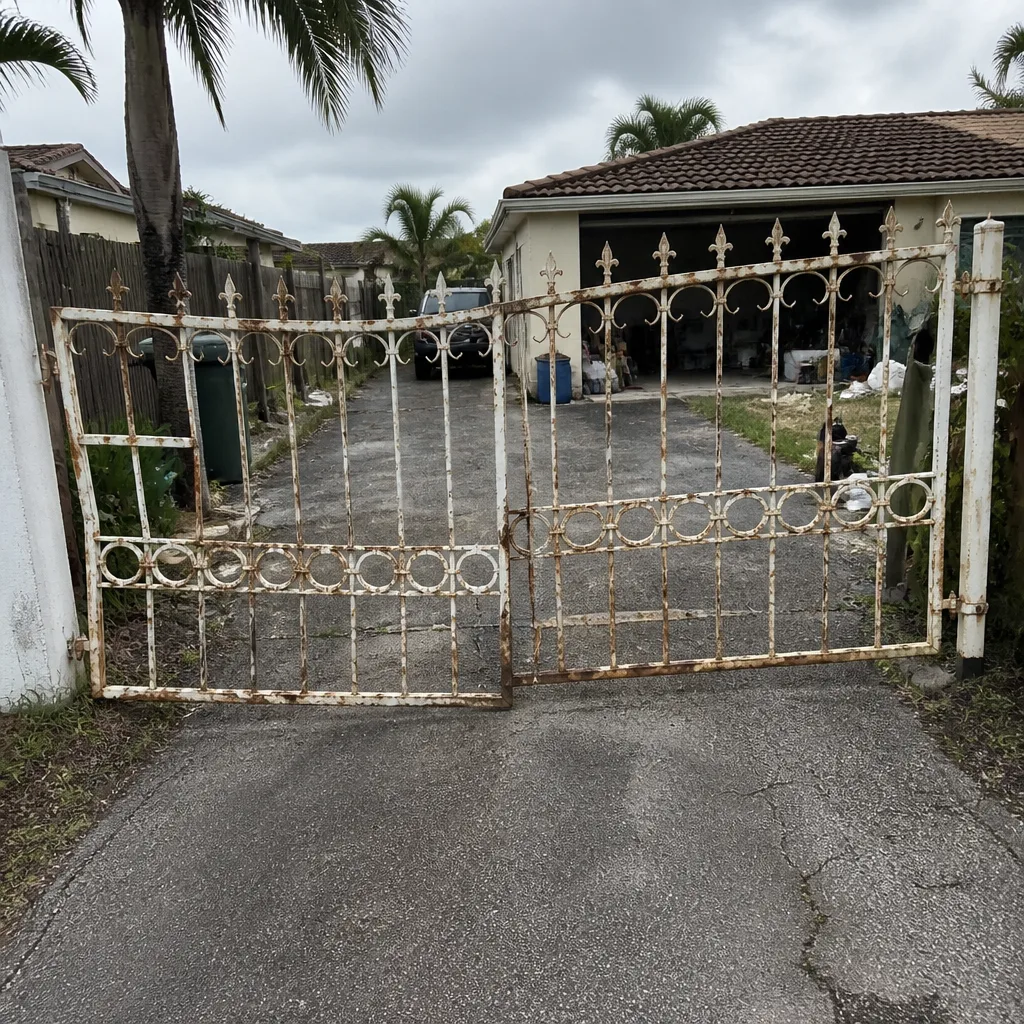 Before
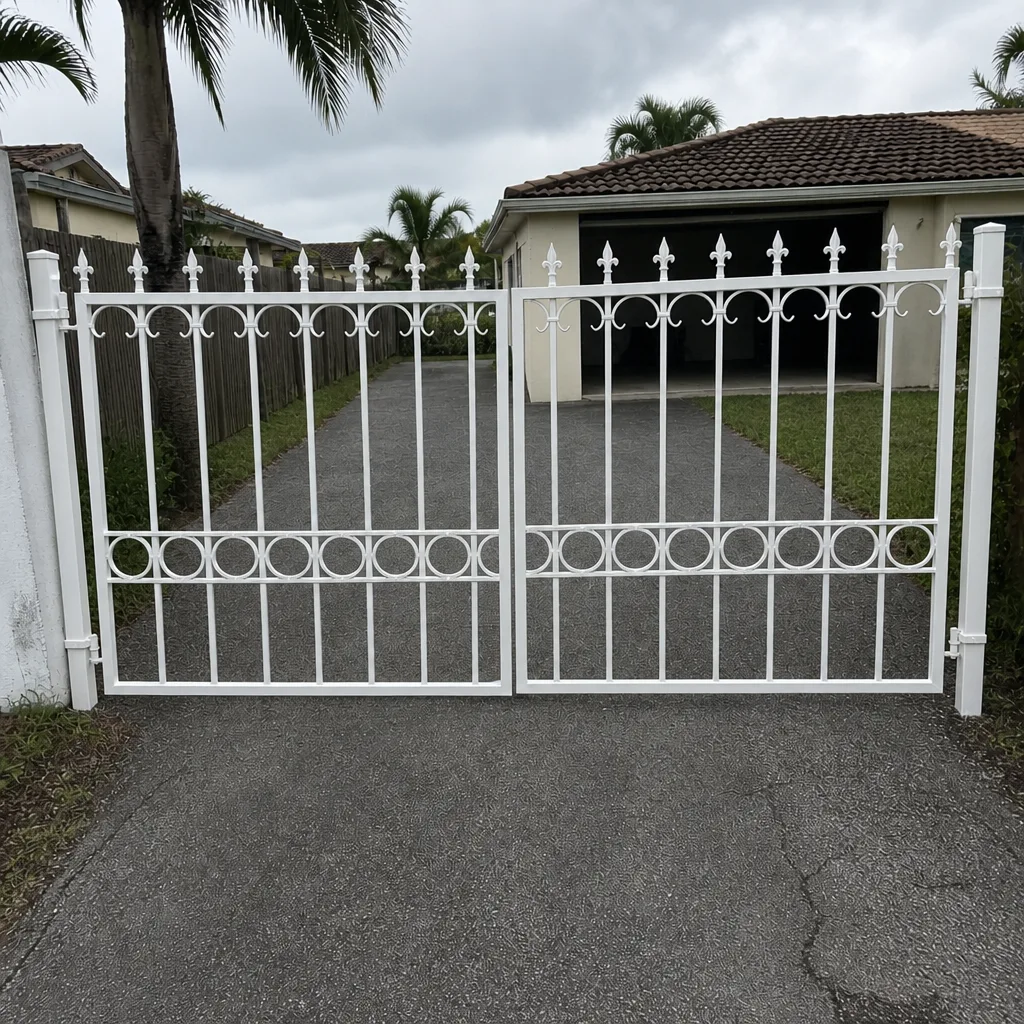 After
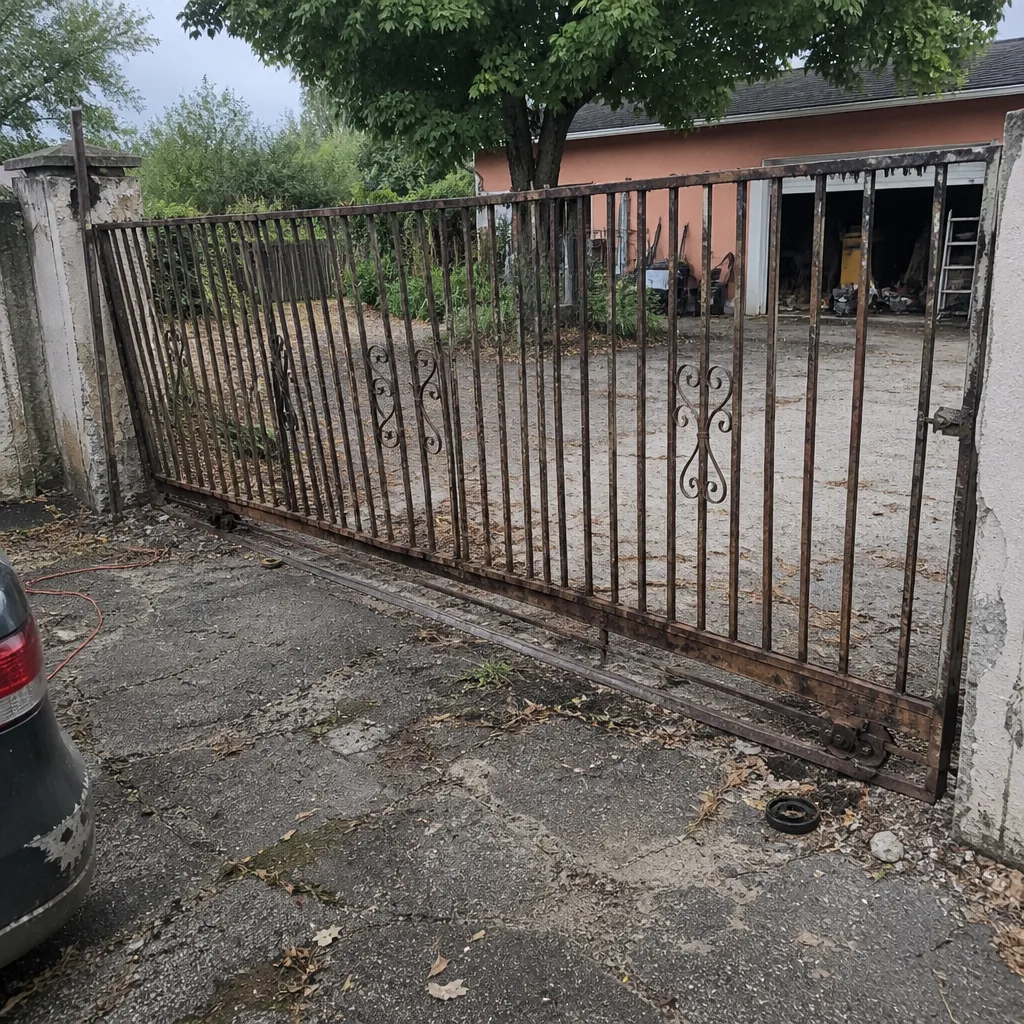 Before
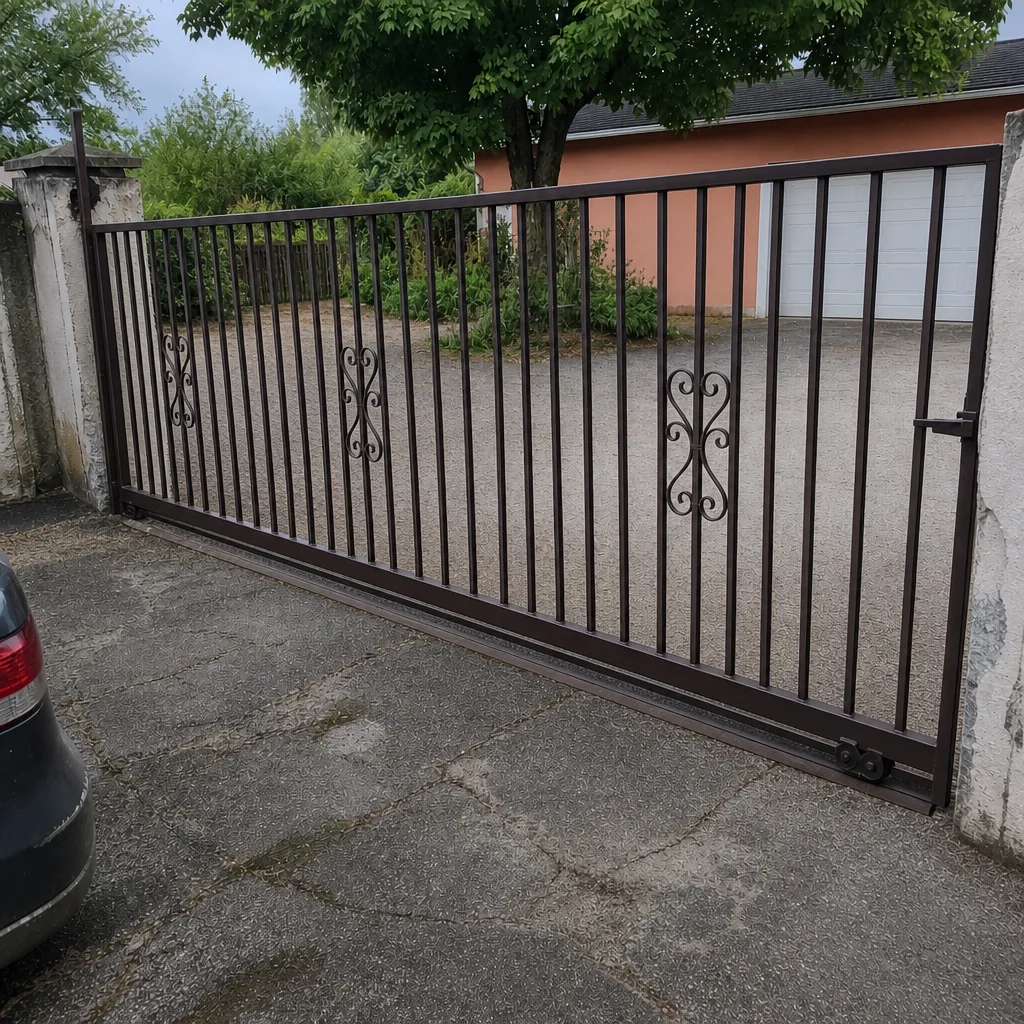 After
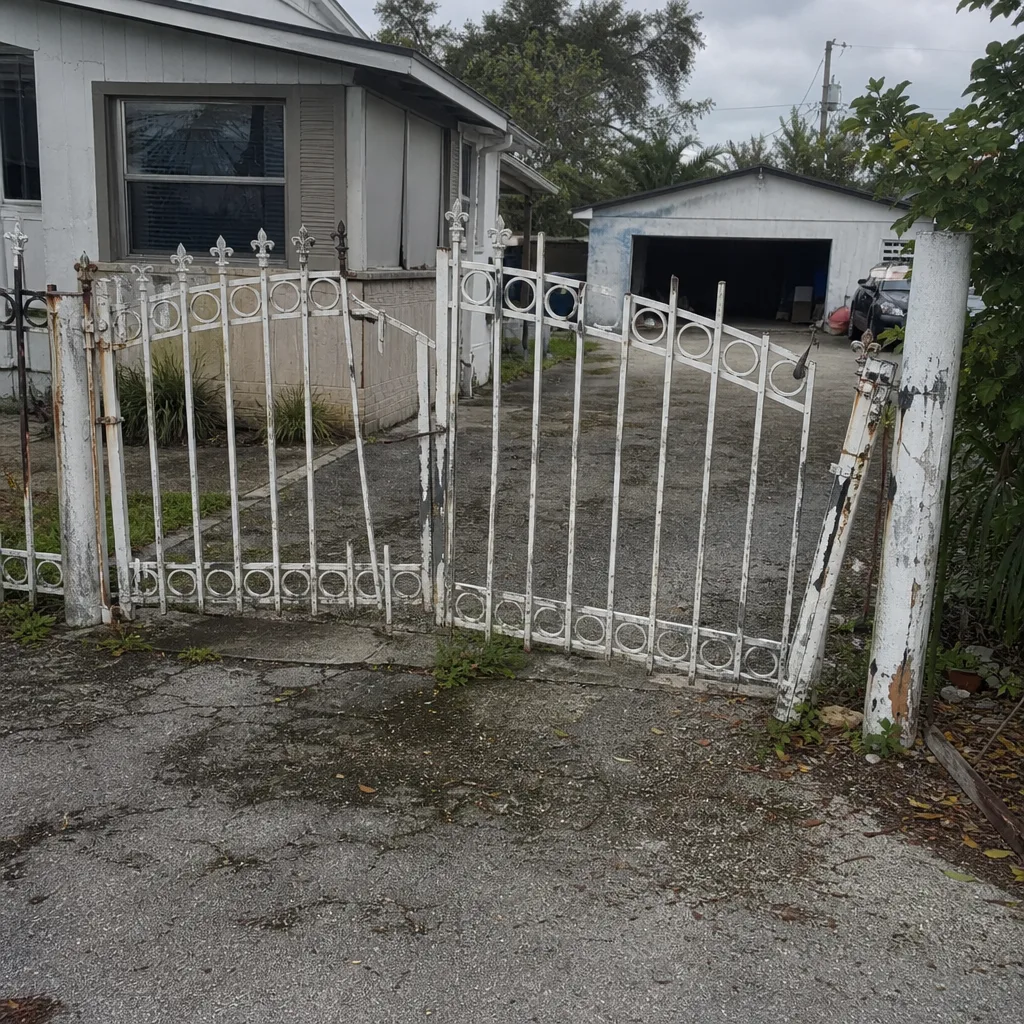 Before
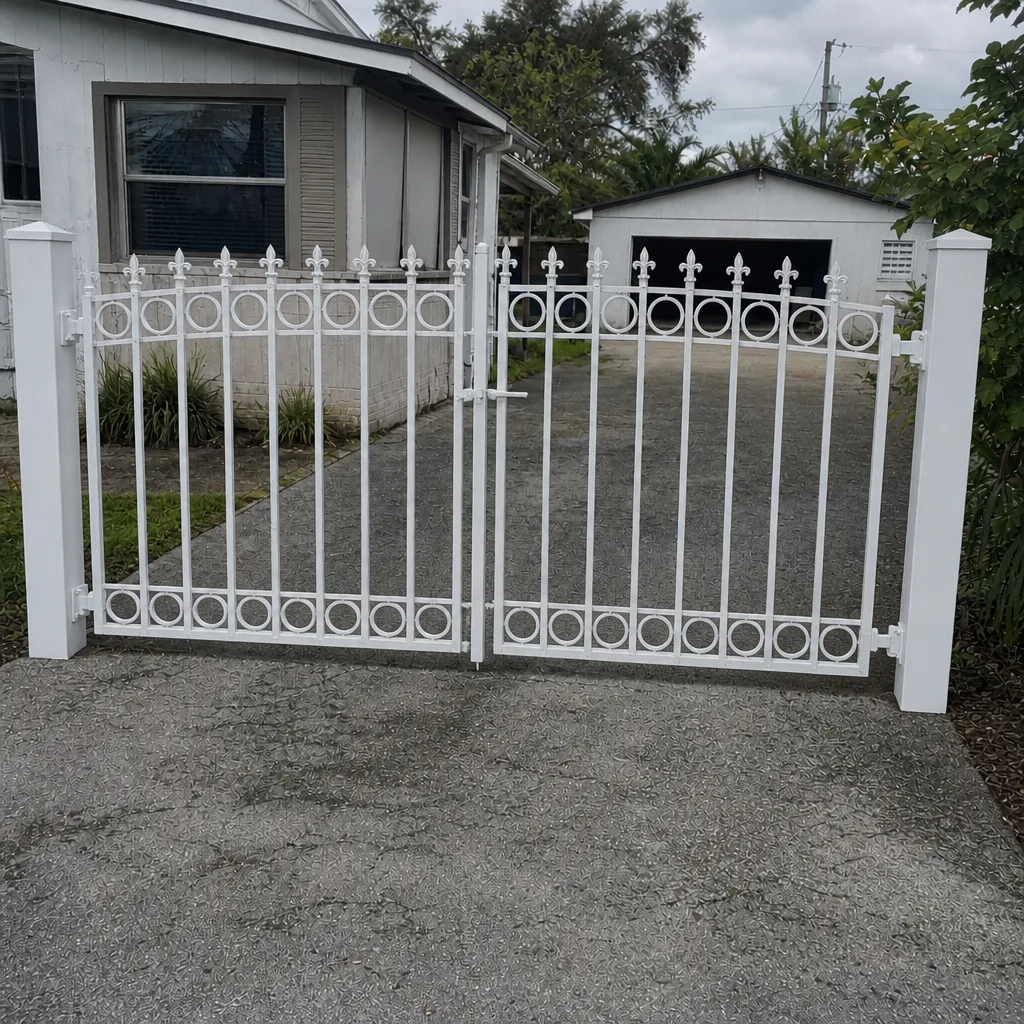 After